

An IT Platform Should Today Be Seen as a Strategic Lever
At Telomere Capital, digital transformation has been placed at the heart of the operating model. The IT platform is therefore designed as a central pillar of the organization, supporting portfolio management, compliance, client relationships, and reporting. For Telomere, the objective is clear: to build a seamless, modular, and secure environment capable of sustainably supporting its growth.
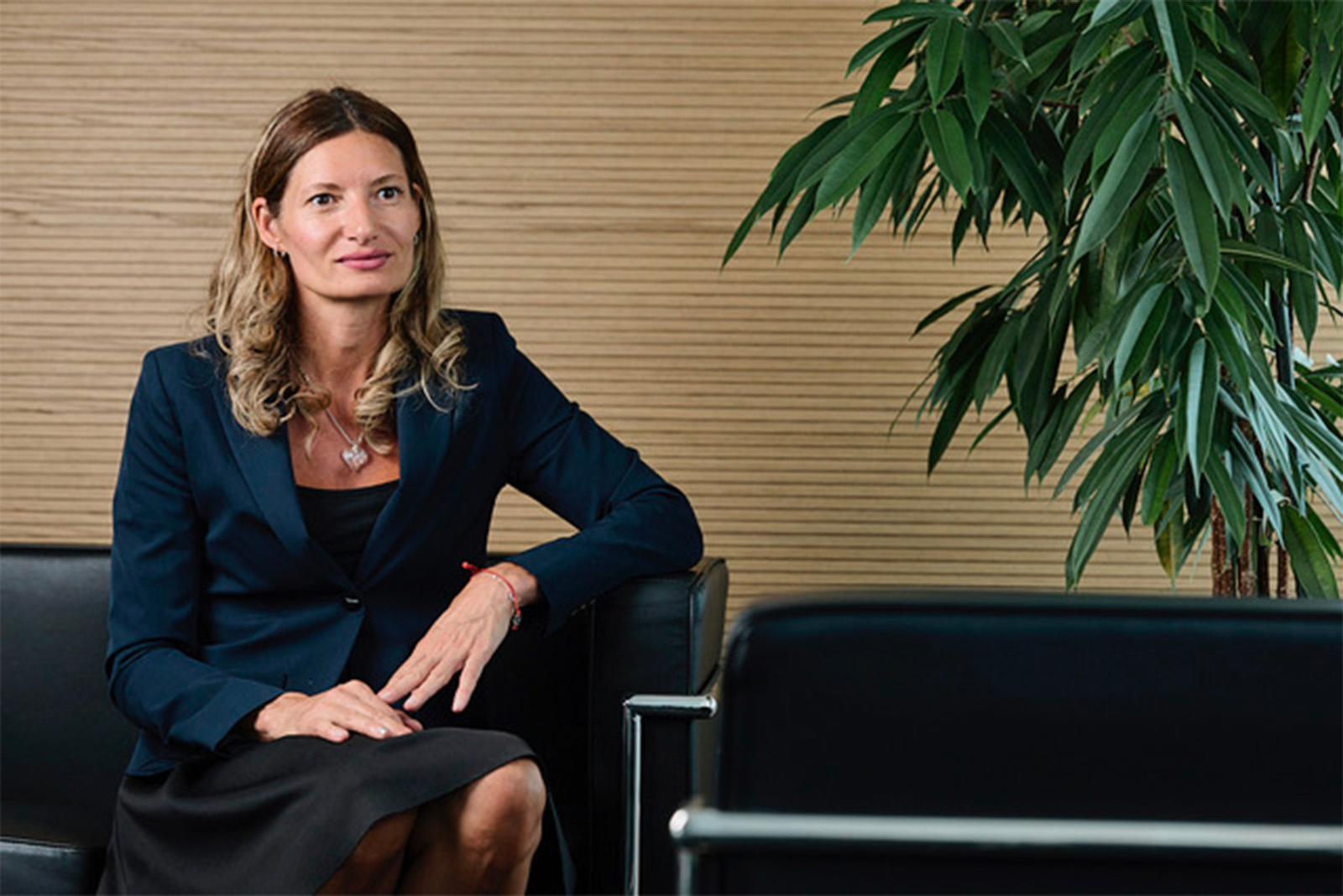
Interview with Petra Kordosova
How would you define this concept of an IT platform more precisely for a company like Telomere?
For us, the IT platform is not merely a simple tool or a stack of technological solutions. It is the digital backbone of our business, supporting in a seamless and coherent way all dimensions of our activity: portfolio management, of course, but also regulatory compliance, client relationships, and reporting. We designed it as a modular, scalable, and secure structure, capable of adapting to the specific needs of our clients while integrating the constant evolution of the market.
What is the rationale for such a platform today for an independent asset manager?
Today, an IT platform must be viewed as a strategic lever. In an increasingly demanding environment, marked by regulatory complexity and the need to differentiate, the IT platform allows us to centralize operations, automate what can be automated, and ensure very rigorous compliance. It also makes it possible to deliver personalized, responsive service aligned with industry standards. By intelligently integrating high-performance modules, such as PMS or CRM systems, we gain both efficiency and service quality.
What types of problems does it concretely help solve?
There are many. The consolidation of data from multiple sources, for example, has become a major challenge in recent years. Our platform addresses this by enabling us to standardize information and providing a clear, real-time overview of all our accounts. It also significantly reduces the administrative burden linked to repetitive tasks and limits operational risk. Finally, it serves as an essential safeguard for data protection, which is now absolutely central in our industry.
And tomorrow?
It will go even further, I have no doubt about that. We continue to improve our tools by focusing on ergonomics, the fluidity of internal processes, and integration capabilities with external partners. The goal is to make life ever simpler for both our teams and our clients.
In particular, we will strengthen dashboard personalization, enhance intelligent notifications linked to certain portfolio events, and streamline onboarding through dynamic, pre-filled forms. We also plan to facilitate the production of regulatory documents by integrating more business logic and automated validation.
The platform thus becomes a true operational facilitator both discreet and powerful serving an increasingly seamless, transparent, and responsive client relationship. In short, it is the technological foundation upon which we will continue to build our development, following a pragmatic, useful, and sustainable approach.
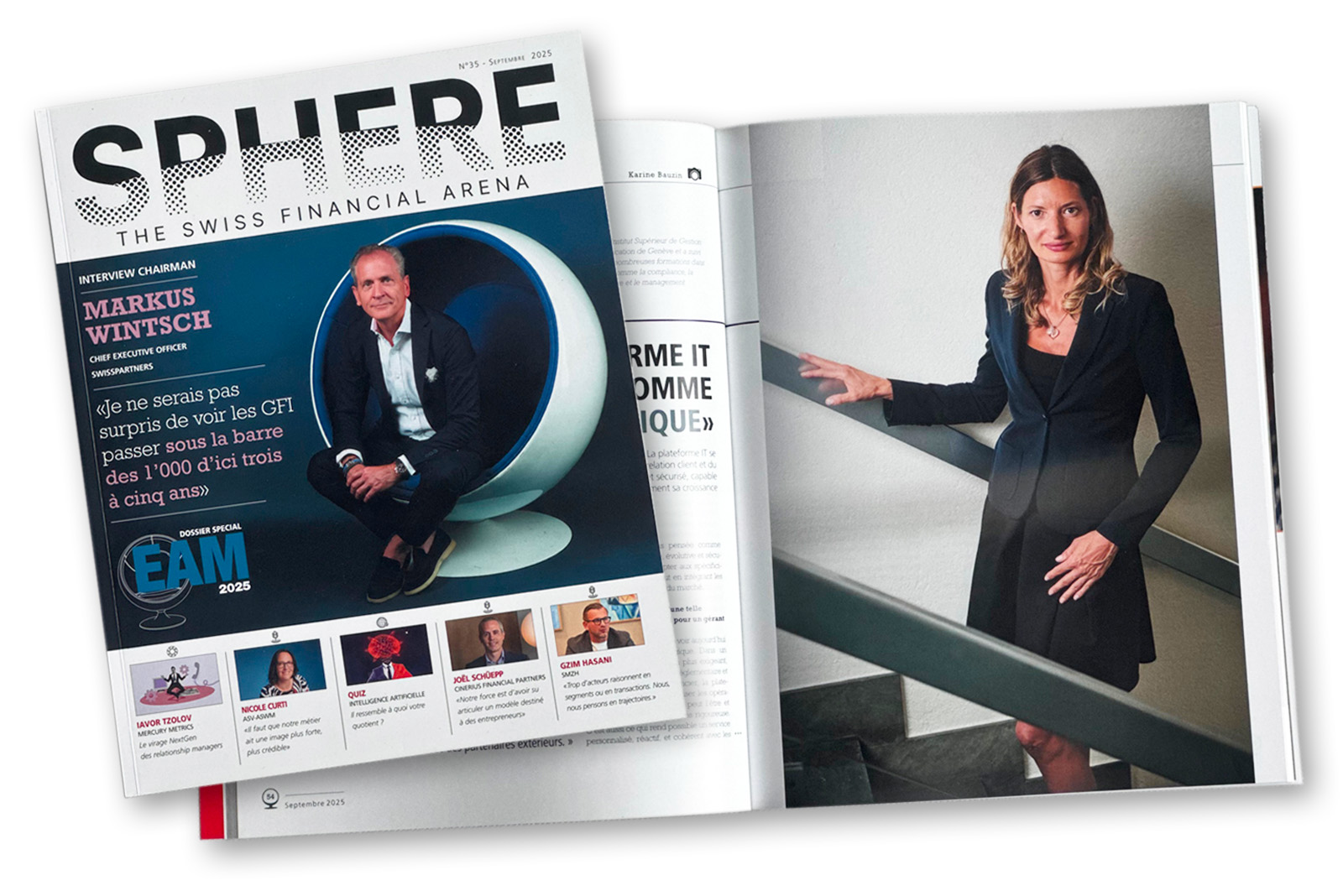
How did you go about implementing it?
We followed a highly structured approach, starting with a detailed analysis of our internal needs. All teams were involved, as the objective was to build a cross-functional tool. We then selected partners capable of designing a solution that is flexible, robust, and perfectly secure. The deployment was carried out in stages, with testing phases, training, and continuous optimization. We wanted it to be a living, evolving project aligned with our growth dynamics. In particular, we chose to implement Microsoft Dynamics 365 as our CRM foundation, for its flexibility and seamless integration with our existing ecosystem. One of the key priorities was enabling clear and dynamic visualization of key figures through Power BI. This allows our advisors to quickly generate personalized, understandable, and actionable reports during meetings. Clients fully benefit from these tools through enhanced analytical quality, better-documented discussions, and clearer information delivery, thereby strengthening transparency and trust in the relationship.
What are its key components?
We implemented a modular architecture that allows us to easily adjust technical building blocks as our organization evolves. Integration with our banking and financial partners is seamless, which significantly facilitates day-to-day management. On the user side, the interface is designed to be intuitive, both for our employees and for our clients.
Above all, however, security is an absolute cornerstone. We have implemented strict protocols, including regular audits and systematic penetration testing. This enables us to guarantee data integrity, confidentiality, and availability without compromise.
Why did you choose to outsource the management of this platform?
We made this decision deliberately. Outsourcing means relying on partners whose technical expertise is far more advanced than ours and difficult to replicate internally at our scale. It guarantees proactive maintenance, regular updates, and continuous technological monitoring.
We chose to collaborate with solid and well-established players in their fields such as Key IT, BS Team, and ImmunIT – with whom we have built a robust, secure IT environment fully aligned with the requirements of our business.
What kind of budget should be considered for such a setup?
It naturally depends on the level of complexity and customization required. However, as an order of magnitude, the initial development and integration may represent an investment ranging between CHF 50,000 and CHF 150,000.
Thereafter, recurring operating costs maintenance, support, updates, hosting generally range between CHF 30,000 and CHF 100,000 per year for a structure of around ten people. These amounts should be considered a strategic investment: they guarantee service quality, data security, and, ultimately, the competitiveness of the organization.
