

Debit or Credit: which card should you use?
In wealth management, we usually talk about investments, real estate, or inheritance. Yet an equally important aspect of your finances takes place in everyday situations, whether in a store or during an online purchase. Debit or credit, which card should you use? Making the right choice can save you much more money than you might think.
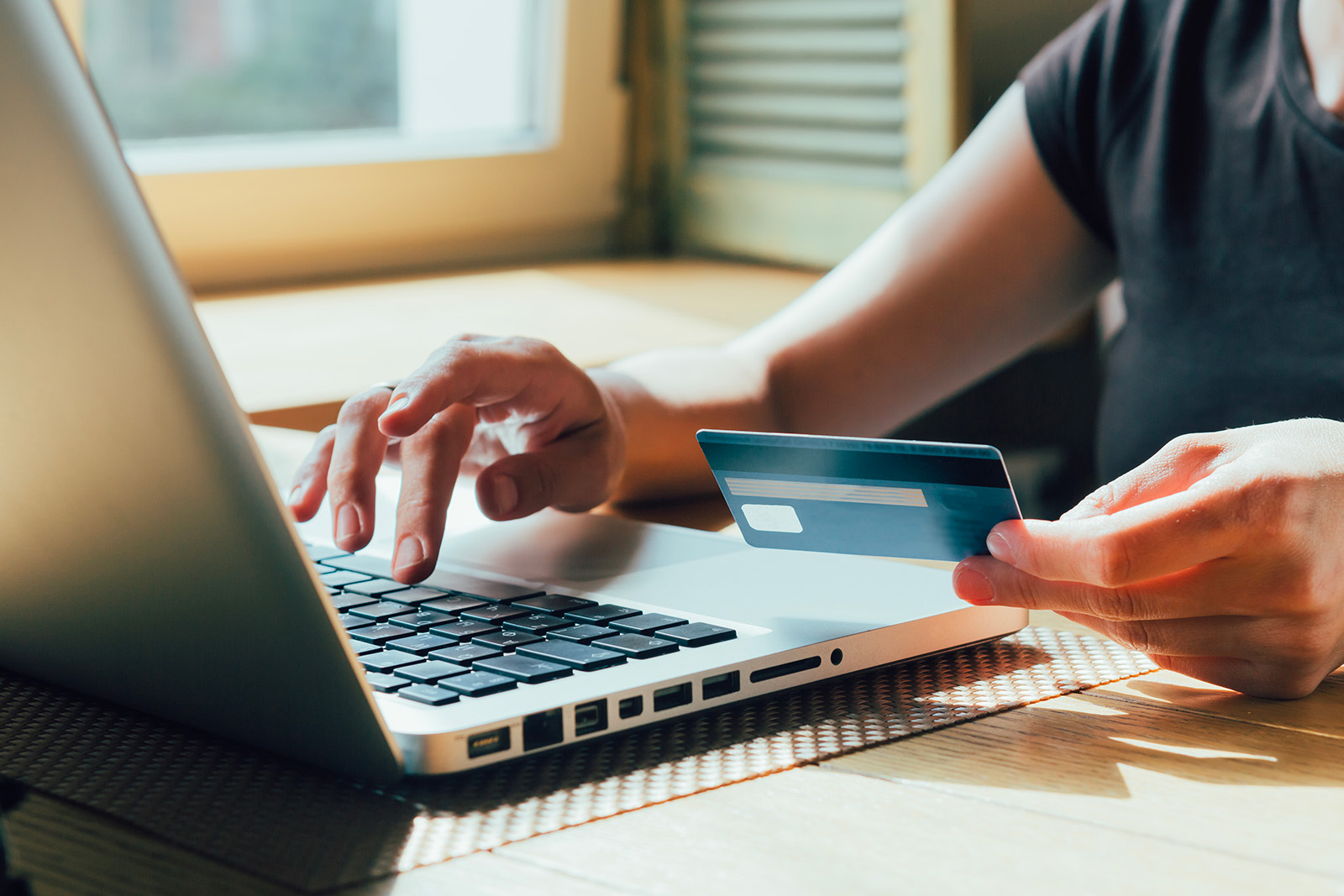
In Switzerland, the distinction between debit and credit cards has become less clear with the introduction of Visa Debit and Debit Mastercard cards. However, their strategic uses remain quite different. So, how should you allocate your payment methods to maximize efficiency and security?
A fundamental difference
A debit card is directly linked to your personal bank account. Amounts spent are therefore debited immediately from that account, making it easier to track your budget. If you prefer to keep a close eye on your spending without facing the surprise of a monthly statement at the end of the month, this is a key advantage.
In contrast, a credit card generates a statement that must be settled at the end of the month. Some cards also allow you to spread repayments over time, subject to interest charges (sometimes very high) on the unpaid balance. In return, they may provide additional benefits and services.
Which card should you use in different situations?
Everyday Payments in Switzerland : For purchases and local transportation expenses in CHF, a debit card is often the best choice if you want to know your bank balance in real time. However, a credit card may be attractive if you wish to take advantage of additional benefits, such as loyalty programs or insurance coverage.
Achats en ligne : Today, both debit and credit cards can be used for online shopping. Depending on the issuer, they may also include transaction protection and dispute mechanisms, particularly in cases of non-delivery.
Payments Abroad or in Foreign Currencies : Check which of your cards, debit or credit, offers the best conditions for purchases made in foreign currencies. Depending on the issuing institution, some debit cards may prove significantly more cost-effective than credit cards.
When paying at a terminal abroad, always choose to be charged in the local currency and decline conversion or payment in CHF. Foreign merchants’ banks generally apply unfavorable exchange rates and may add a conversion margin.
It is also worth noting that neobanks, which operate primarily through digital banking services, can be an attractive alternative for foreign payments and cash withdrawals, as they often offer competitive pricing conditions.
Cash Withdrawals : In Switzerland, use your debit card whenever possible, ideally at your own bank’s ATM, to avoid additional fees. While you can use ATMs from other banks, fees may apply (typically around CHF 2). Therefore, avoid making multiple chargeable withdrawals.
Abroad, a debit card is also generally preferable, as cash withdrawals using a credit card can incur substantial fees. Avoid independent or non-bank ATMs (such as Euronet, Travelex, etc.), which may charge high fixed fees and apply unfavorable exchange rates. Instead, use local bank ATMs and check any applicable fees before confirming the withdrawal.
Reservations and Security Deposits : Credit cards remain particularly useful for hotel reservations and car rentals, as they are generally more widely accepted. However, debit cards may also be used in many cases.
Additional Benefits of Credit Cards
Insurance Coverage : Depending on the included benefits and applicable conditions, certain credit cards provide travel insurance covering trip cancellations, delays, and lost luggage. They may also offer protection against damage or theft, extended warranties on electronic devices, or insurance covering the deductible on rental cars.
Loyalty Programs : Most credit card issuers reward everyday spending through cashback programs or loyalty points. Premium cards may also grant additional privileges such as airport lounge access, hotel upgrades, and exclusive discounts with selected merchants.
Understanding the advantages and disadvantages of your payment methods can generate significant benefits over time. By strategically choosing between a debit card and a credit card, you can minimize unnecessary fees. It also allows you to take control of your payments, ensuring that the financial system serves your wealth rather than draining it.
And because a well-informed user is worth two, do not forget to carefully read your cards’ terms and conditions as well as their fee schedules. If necessary, contact your bank for further information.

Guillaume León
Client Relationship Officer
